
Commercial & Residential
Q&A + FAQ
Common Questions About
Septic Tanks & Installations
No. Heavy weight can crush pipes and compact soil.
Tree roots can invade and damage pipes.
Structures prevent proper system servicing.
In most states, septic installation and pumping require licensing and permits. Improper installation can lead to system failure, fines, or denied occupancy permits.
Yes. Churches, barns, rest stops, and commercial properties often use engineered septic systems when municipal sewer is unavailable.
Experienced septic and excavation companies typically offer:
-
Manufacturer warranties on tanks
-
Workmanship guarantees
-
Ongoing maintenance programs
-
Automatic pump scheduling
System size is based primarily on:
-
Number of bedrooms (not bathrooms)
-
Soil conditions
-
Property layout
-
Local regulations
Options may include:
-
Conventional gravity systems
-
Mound systems
-
ATU (aerobic treatment units)
-
Pumped/pressure systems
Even if only two people live in the home, the system must be sized for future occupancy.
Most residential installations take 2–5 days, depending on:
-
Weather conditions
-
Soil type
-
System complexity
In most cases, you can use limited plumbing during installation, but your installer will confirm specifics.
-
Tanks: 25–40+ years (depending on material)
-
Drain fields: 20–30+ years with proper care
Regular maintenance significantly extends lifespan.
Most residential systems require pumping every 3–5 years, depending on:
-
Household size
-
Water usage
-
Garbage disposal use
Routine pumping prevents system failure and costly drain field damage.
Safe for septic:
-
Human waste
-
Toilet paper
-
Normal household wastewater
Avoid:
-
“Flushable” wipes
-
Feminine hygiene products
-
Grease or cooking oils
-
Harsh chemicals
-
Toys or foreign objects
Garbage disposals increase solids and may require more frequent pumping.
Common causes:
-
Lack of pumping/maintenance
-
Excess water usage
-
Driving or building over the system
-
Poor soil conditions
-
Tree root intrusion
-
Flooding or saturated drain fields
Licensed haulers transport sewage to approved wastewater treatment facilities in compliance with state and environmental regulations.
Adding bedrooms increases system demand. You may need:
-
A larger tank
-
Drain field expansion
-
System upgrade
Always check before remodeling.
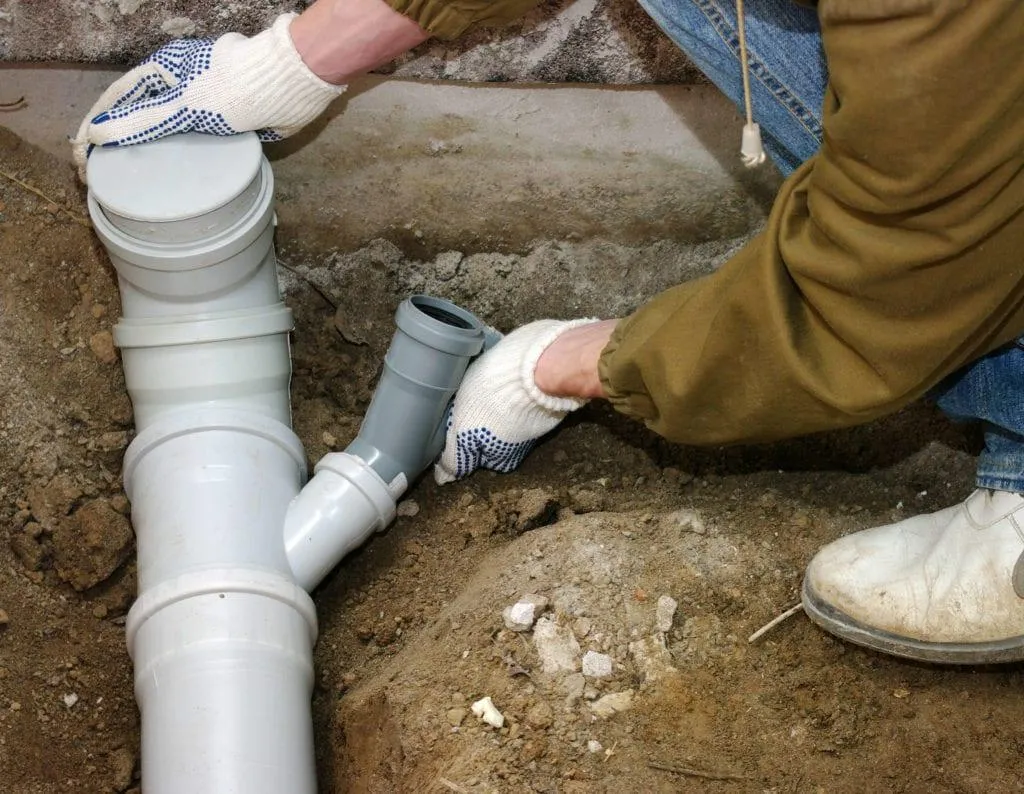
A septic system is an on-site wastewater treatment system commonly used in rural and commercial properties without municipal sewer access. It includes:
-
Septic tank – Separates solids from wastewater
-
Effluent filter & baffles – Prevent solids from entering the field
-
Drain field (leach field) – Filters and disperses treated water into soil
Wastewater flows from the home into the tank, where solids settle and bacteria break down waste. The liquid effluent then flows into the drain field for natural soil filtration.
Maintenance may include:
-
Pumping every 3–5 years
-
Effluent filter cleaning
-
Alarm or pump inspections (for aerobic systems)
-
Chlorine replenishment (if required by system type)
Many companies offer maintenance plans for peace of mind.
A soil test (soil boring/percolation test) determines:
-
Soil type and drainage ability
-
Seasonal water table levels
-
Proper system size and placement
Local health departments require this to ensure your system will function properly and meet code.
Septic installation costs reflect:
-
Excavation work
-
Engineered design & soil testing
-
Tanks, pipe, stone, or chamber materials
-
Permits & inspections
-
Heavy equipment and skilled labor
A properly installed system protects your home, property value, and environment for decades.
Common reasons:
-
Pump failure
-
High water level
-
Electrical issue
-
Float malfunction
Limit water use and call your septic provider immediately.
This is normal. The tank immediately begins refilling with wastewater from normal household use. “Full” does not mean it needs pumping again unless solids are high.
This can indicate:
-
Drain field saturation
-
Clogged biomat layer
-
System overload
-
High groundwater
This requires professional inspection as soon as possible.
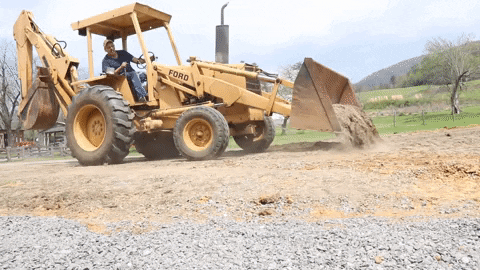
Excavation does disturb portions of the yard. However, experienced excavation contractors:
-
Minimize footprint
-
Replace topsoil
-
Rough-grade and prep for reseeding
Some settling is normal after installation.
Request A Bid

“Digging on Faith”