Is Sewer Trouble Sneaking Up on You? Recognizing the Signs Early

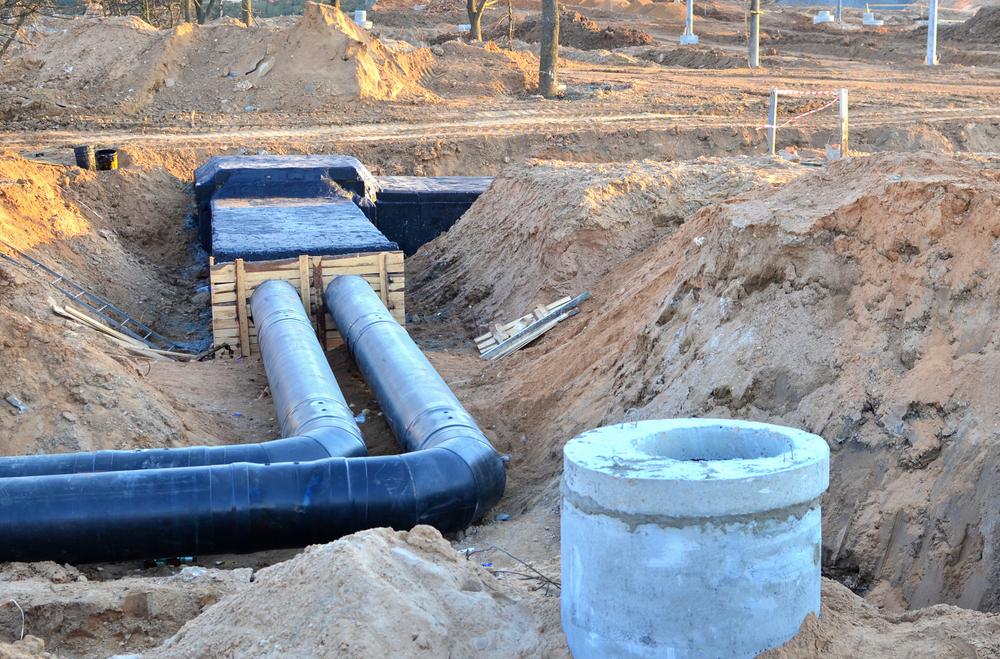
It’s the one issue we all hope to avoid, yet, here it is—your sewer line may be acting up. You might be seeing the warning signs: water draining slower than it used to, unpleasant smells creeping up from your drains, or even patches of lawn looking unusually lush or soggy. These little signals can hint at a larger issue below the surface. It’s frustrating and can be nerve-wracking. You might wonder, “Is this going to turn into a huge, expensive repair?” We understand the sinking feeling of facing what could be a major home repair bill. But here’s some relief—recognizing these signs early means you’re already ahead of the game. By understanding what’s happening now, you can avoid an emergency (and all the stress that comes with it). How Can We Help?

Is Sewer Trouble Sneaking Up on You? Recognizing the Signs Early Read More »
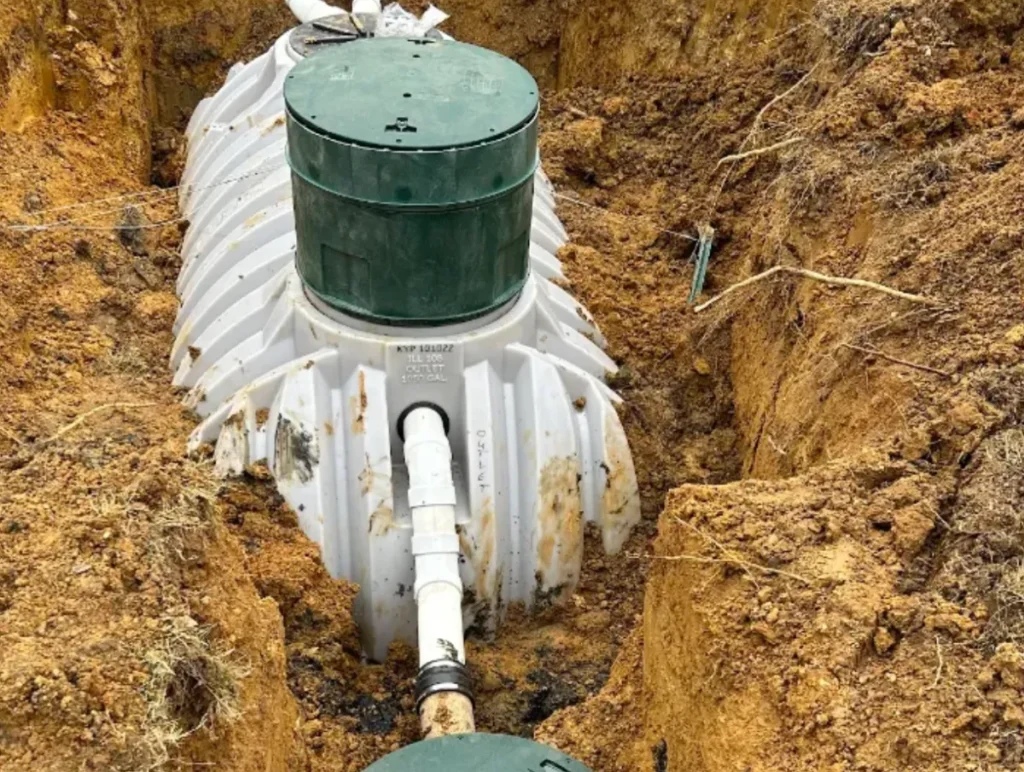
Comparing Septic Services: Choosing the Right Fit for Your Home

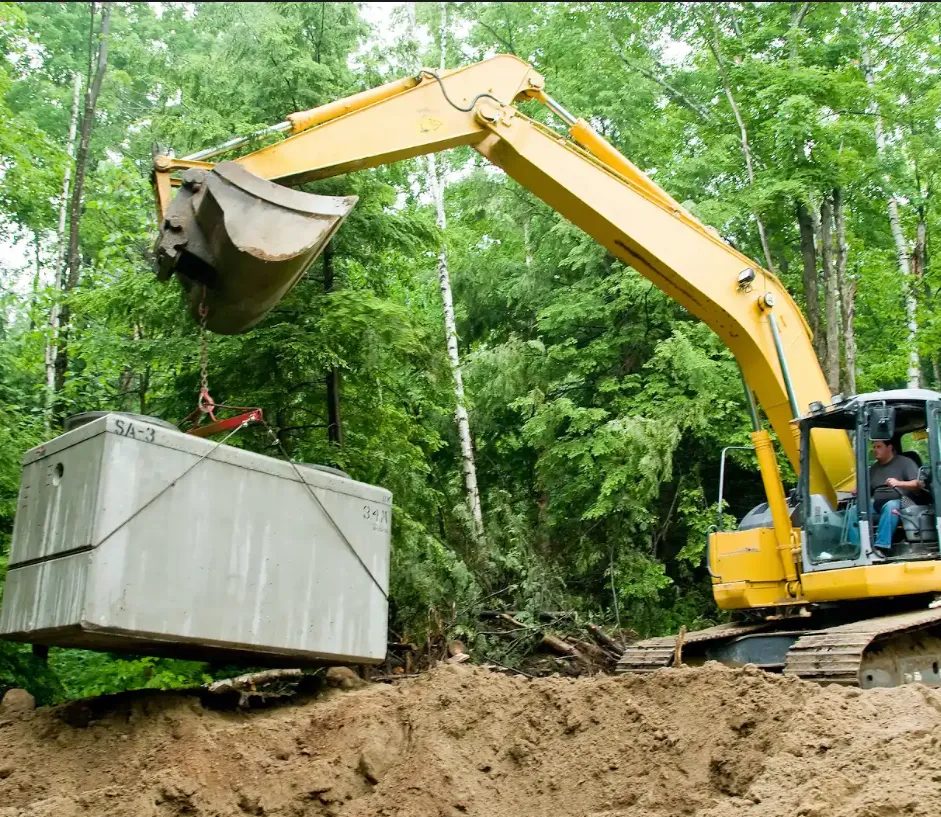
Knowing what kind of service you need can be confusing, so let’s look at some of the common options: Septic Pumping vs. Replacement When should you pump versus replace? Pumping is a regular maintenance task, while replacement is only necessary when parts fail or wear out. If your system is 20 years old or older and frequently needs repairs, replacement may be more cost-effective in the long run. Schedule a pumping schedule with your plumber. Professional Service vs. DIY Some homeowners may consider DIY options to save money, but septic systems are complex and require special equipment. Professional service ensures the job is done safely, meets local regulations, and prevents accidents that could lead to even bigger expenses. The Best Septic Solutions for Different Property Types Each property has its own needs, whether it’s a small residential lot or a larger, rural property. Tailoring your septic solution to your property’s specific requirements ensures long-term success. Residential Solutions Most residential properties benefit from traditional septic systems or newer aerobic treatment units (ATUs) that process waste more thoroughly, ideal for those with smaller yards. Commercial and Agricultural Properties Larger systems are often needed for farms and commercial spaces. Customized systems for high-capacity use are built to manage larger volumes, protecting both the property and the surrounding environment.

Comparing Septic Services: Choosing the Right Fit for Your Home Read More »

Septic System Costs: What to Expect

Budgeting for septic services might feel tricky, especially if it’s your first time. Here’s a breakdown to help you understand what goes into these costs: Septic Repairs and Replacements Repairs for septic issues, such as fixing leaks or replacing pipes, generally range from $600 to $2,000, based on complexity. Full system replacements, however, are a more significant investment, averaging $7,000 to $15,000. Factors That Influence Cost Location, tank size, soil conditions, and the extent of any damage all impact the final price. While it might be tempting to go for the lowest quote, investing in quality service can save you from frequent repairs and costly rework.

Septic System Costs: What to Expect Read More »

Common Septic System Problems and How They Affect You

Understanding potential septic problems can help you act quickly and prevent minor issues from turning into costly repairs. Here are some of the most common problems homeowners face: Slow Draining Water and Backups If water drains slowly in sinks, tubs, or toilets, it’s often an early sign of a septic issue. A clog or buildup within the system can lead to backups, causing a mess that’s both inconvenient and unsanitary. This can indicate that your tank is either full or in need of some extra attention. Unpleasant Odors in Your Yard Nobody wants a stinky yard, but if you catch a whiff of foul smells near your septic area, it’s time to investigate. Often, these odors mean your septic tank is overloaded or there’s a leak allowing waste to escape. Ignoring this can lead to further issues with groundwater contamination. Standing Water and Soggy Patches Is your lawn unusually wet, even when it hasn’t rained? This could mean that wastewater is leaking, which can eventually lead to a complete system failure. Not only is this unsightly, but it’s also a serious health risk for your household and even your neighbors. Gurgling Noises from Pipes While strange sounds in the plumbing might seem minor, they could be a cry for help from your septic system. Gurgling sounds often mean there’s an obstruction or buildup, potentially causing more serious problems if left untreated.

Common Septic System Problems and How They Affect You Read More »

Signs You Need Water Line Repair or Replacement

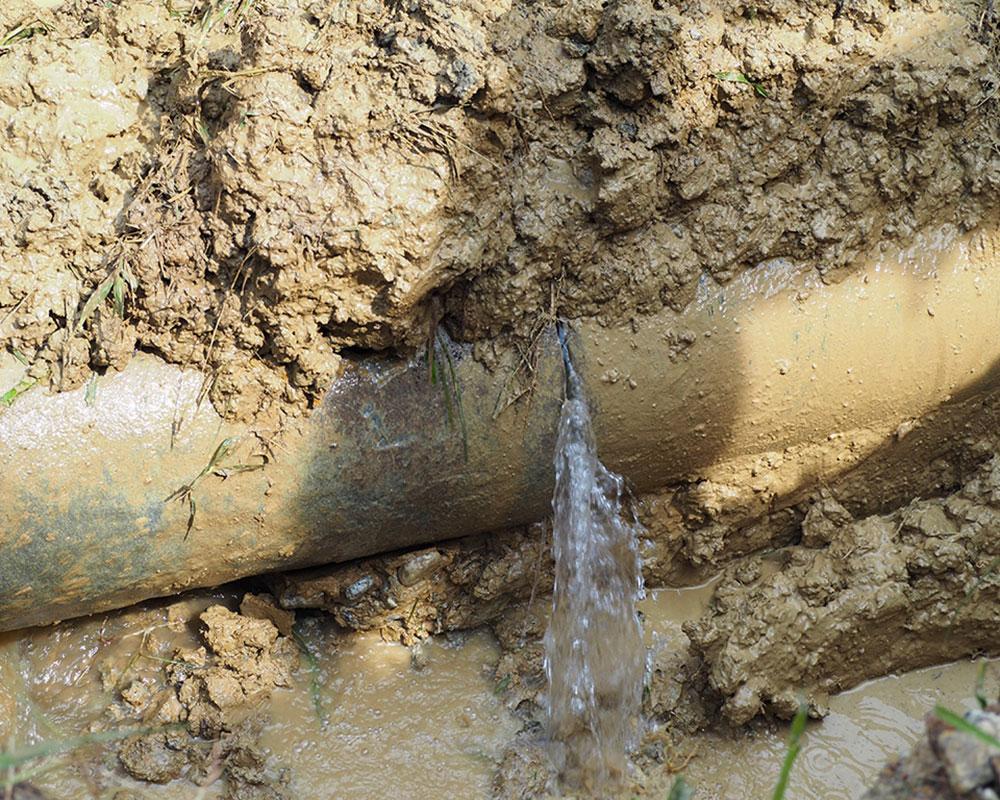
Unexplained Increase in Water Bills – A sudden spike may indicate a hidden leak. Low Water Pressure – Persistent low pressure can signal a blockage, leak, or corrosion. Discolored or Rusty Water – Aging pipes may release rust into your water supply. Wet Spots or Sinkholes in Your Yard – Underground leaks can cause soggy patches or depressions. Strange Noises in Your Pipes – Gurgling or hissing sounds may indicate air or water escaping.   If you notice any of these signs, don’t wait—call us for a professional assessment.

Signs You Need Water Line Repair or Replacement Read More »

Understanding the Real Costs of Foundation Digging

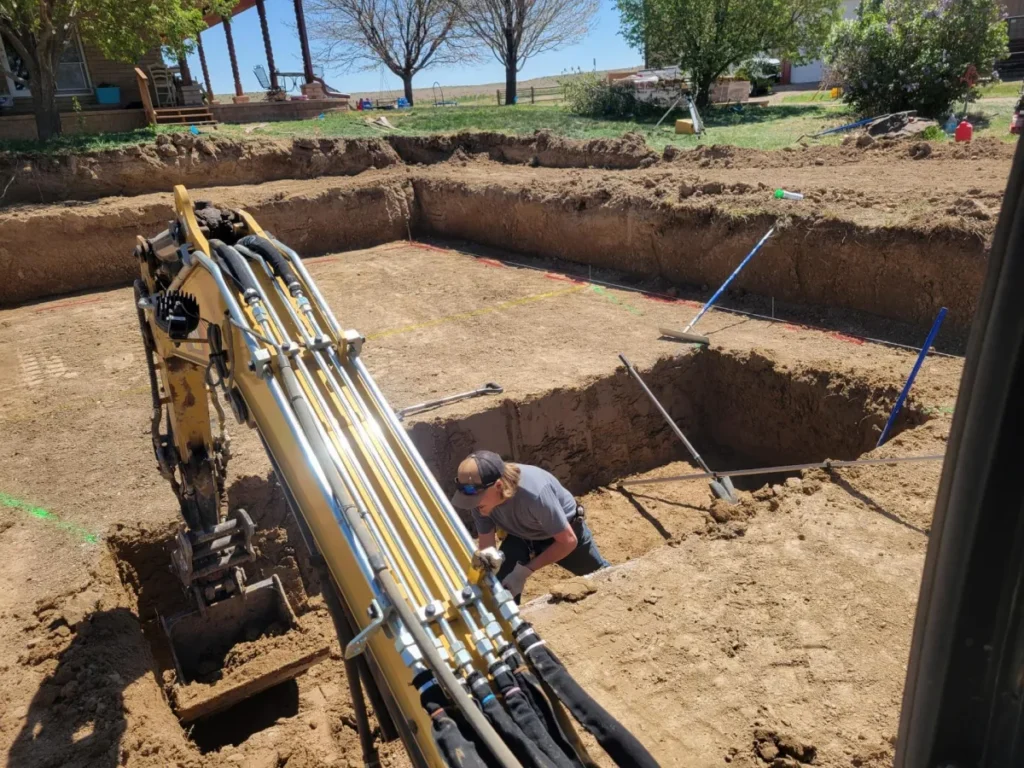
When it comes to foundation digging, understanding the costs can be tricky. It’s not just about moving dirt; it’s about tailoring each job to its unique environment and ensuring safety throughout the process. Here are some of the main factors influencing costs: Soil Type and Condition: Some soils are easier to dig than others. Rocky or clay-heavy soils can add time and labor, which increases costs. Depth and Size of the Foundation: A deeper or larger foundation takes more time and resources to excavate. Equipment and Labor: Foundation digging requires skilled operators and reliable equipment. Costs can vary based on the equipment needed and the project’s size. Permits and Local Requirements: Some areas have strict regulations on digging and land disturbance, requiring additional permits or inspections. In general, homeowners can expect foundation digging costs to range between $5,000 and $15,000, but each project is different. We make it our mission to give you a transparent, itemized estimate so you can avoid unpleasant surprises.

Understanding the Real Costs of Foundation Digging Read More »

The Foundation of Your Property—Peace of Mind

Imagine this: you’ve got a property—maybe it’s your dream home, or perhaps it’s the start of a new investment—and you’re at the beginning stages, where everything is supposed to come together smoothly. But as you start planning, you hit a wall: foundation digging. It’s one of those things you never think about until you have to, yet here it is, one of the biggest, most crucial steps in any build. You might feel the weight of this decision pressing down, wondering, “Am I going to get this right? Will the ground be as solid as I need it to be?” These feelings are common. Building or renovating can bring up so many questions and concerns that it’s easy to feel overwhelmed, especially with something as permanent and structural as a foundation. You’re not alone in wanting a team that won’t just “get it done” but will carefully listen to your needs, see the project through your eyes, and leave you with a rock-solid foundation—and some peace of mind too. Our job is to make sure that you don’t have to worry about what lies beneath. We’re not the largest company out there, but we’re passionate about digging foundations that fit your unique needs, ensuring stability for years to come. Here’s what you need to know to make this process as clear and stress-free as possible. How Can We Help?

The Foundation of Your Property—Peace of Mind Read More »

Foundation Digging Methods: Which One is Best for You?

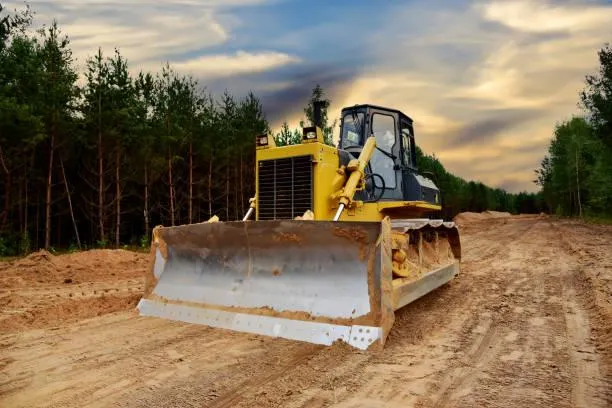
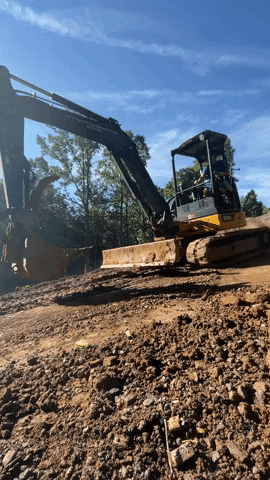
Not all foundations are created equal, and neither are the methods to dig them. Here are the main approaches: Hand Digging: This method is labor-intensive and often reserved for smaller, precise work areas where machinery can’t fit. Trenching: Common in both residential and commercial projects, trenching involves using excavators to create a level trench for the foundation. It’s efficient and widely used for projects that require strong, even support. Excavation with Machinery: Larger foundations often require heavy machinery like backhoes or bulldozers. This method is faster and allows for digging deeper foundations quickly. Choosing the right method depends on your property’s layout, soil type, and the type of structure you’re planning. Our goal is always to choose the approach that gives you a secure, stable base without unnecessary costs.

Foundation Digging Methods: Which One is Best for You? Read More »

Common Foundation Digging Challenges (and How to Solve Them)

Foundation digging is not without its challenges. Even with the best-laid plans, nature can throw curveballs. Here are a few of the most common obstacles and how we work around them: Unstable Soil: Certain soils, like clay or sand, can make a foundation more prone to shifting. To combat this, we might need to dig deeper or use special techniques to stabilize the area. High Water Table: In areas where the groundwater sits close to the surface, water management becomes crucial. Proper drainage solutions can prevent your foundation from being impacted by water intrusion. Unexpected Rocks and Obstacles: Sometimes, you don’t know what’s below until you start digging. Experienced operators know how to handle surprises without compromising the integrity of the project. Our team is trained to handle these scenarios with expertise and a calm approach, ensuring that whatever we encounter, we have the knowledge and tools to get the job done.

Common Foundation Digging Challenges (and How to Solve Them) Read More »

Common Grading Problems and How We Solve Them

Grading can seem like a straightforward task, but grading issues are often subtle and can go unnoticed until they cause visible problems. Here are some of the most common grading problems homeowners face: Drainage Issues: Poor grading can direct water toward your home, increasing the risk of basement flooding, foundation cracks, and mold. Grading contractors solve this by creating slopes that channel water away, using methods like French drains or swales when necessary. Soil Stability: Without proper grading, your land’s soil can lose stability, especially if it’s on a slope. Unstable soil increases erosion, affecting landscaping and weakening your foundation. Professional grading tackles these issues head-on, using techniques that reinforce the soil structure. Foundation Risks: Pooling water or excess moisture isn’t just an eyesore; it’s a threat to your foundation. Over time, poorly directed water erodes the soil around your home, leading to cracks or other structural problems. Grading specialists identify these risks early and adjust the land accordingly.

Common Grading Problems and How We Solve Them Read More »

What to Expect: The Cost of Grading Services

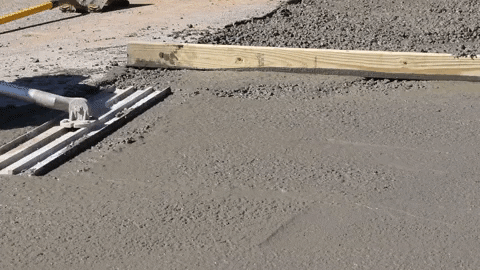
Regarding grading costs, the total depends on the size of the area, the type of work needed, soil conditions, and the degree of customization required. But don’t worry—grading doesn’t have to mean “over-the-top expenses.” Here’s how to approach it: Size of the Project: A larger area takes more time, materials, and equipment. Existing Land Condition: Sloped or uneven land may need extensive reworking. Type of Solution Needed: Are you looking for basic leveling, drainage improvements, or slope adjustments? We aim to provide solutions that balance both quality and affordability. An experienced grading contractor will be transparent, providing estimates that break down the specifics so you can see exactly where your money goes. Good grading prevents future damage, making it a worthy investment that protects your property and increases its value.

What to Expect: The Cost of Grading Services Read More »

Understanding the Need for Grading Services

Imagine standing on your property after a heavy rain. You see water pooling in low spots, soaking into your foundation, or spilling down slopes, eroding soil and creating a muddy mess. It’s frustrating, but you’re not alone; many property owners face similar challenges. These issues stem from improper grading, and they don’t just affect appearance—they can lead to serious property damage. Grading services aren’t just about making the land flat or shaping it for looks. It’s a precise way to control water flow, prevent erosion, and improve the stability of your property. Maybe you’ve noticed signs already—waterlogged lawns, patches of sinking soil, or even cracks in your foundation. These warning signs often point to grading issues that need professional attention. Addressing these problems early can save you from long-term headaches and costly repairs. How Can We Help?

Understanding the Need for Grading Services Read More »

Scroll to Top