

Building Trust with Transparency
”By addressing potential concerns early, we make it a point to keep every homeowner informed, easing those first-time jitters and building trust with transparency.” Matt Johnson, Owner
Building Trust with Transparency Read More »
Effective Drainage Solutions in our Yard
“Unexpected groundwater made me worry, but Matt and his team managed it with effective drainage solutions. It was a huge relief.” Robert, Drain Field Solutions in Pueblo County, Colorado Customer
Effective Drainage Solutions in our Yard Read More »
Excellent Site-Work Clean Up
“I thought digging a foundation would just be noisy and disruptive, but they managed the entire process with consideration for my property.” – Sharon, Rifle, Colorado – Foundation Excavation Service
Excellent Site-Work Clean Up Read More »
Digging a Foundation in Clay-Heavy Soil was a Success!
“I was nervous about digging a foundation in an area known for clay-heavy soil. Matt helped me understand the options, and the process was much smoother than I anticipated.” – Tim B., Pueblo, Colorado – Foundation Excavation Service
Digging a Foundation in Clay-Heavy Soil was a Success! Read More »
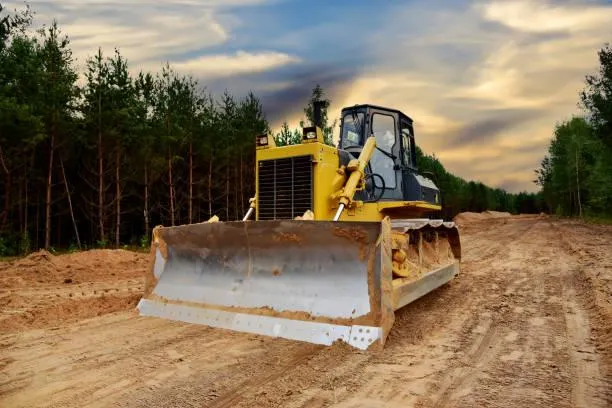
SEPTIC INSTALLATION & EXCAVATION EXPERTS
Professional Septic Installation, Repair & Excavation Services When you need reliable septic installation, trenching, or excavation services, experience matters. Our team designs and installs septic systems that meet code, protect your property, and perform reliably for decades. From soil testing to final grading, we handle every phase of the project with precision equipment and licensed professionals. Whether you’re building a new home, replacing a failed system, or expanding your property, we provide engineered solutions built for long-term performance. How a Septic System Works A septic system treats wastewater on-site when municipal sewer is unavailable. Key Components: Septic tank (solid separation) Baffles & effluent filter (protect drain field) Drain field / leach field (soil filtration) Pump tank or aerobic unit (when required) Wastewater flows from your home into the tank, where solids settle and bacteria break down organic matter. Treated liquid then moves to the drain field where the soil naturally filters it before returning it safely to the groundwater system. Septic Installation Process 1. Soil Testing & Site Evaluation We conduct soil borings and percolation testing to determine soil type, water table depth, and system placement. 2. System Design & Permits System size is based on bedroom count, soil conditions, and local health department requirements. 3. Excavation & Tank Placement Using professional excavation equipment, we install tanks at proper depth and slope, ensuring structural stability and code compliance. 4. Drain Field Installation We install either gravel-based or chamber systems depending on site conditions. 5. Final Grading & Restoration We backfill, compact properly, and rough-grade the area for reseeding. Most residential installations are completed in 2–5 days depending on weather and soil conditions. Septic System Costs: What Impacts Price? Septic systems are a major infrastructure investment. Costs vary based on: Soil type and water table depth System type (gravity, mound, aerobic, pressure) Excavation difficulty Permit and inspection requirements Tank material (plastic vs concrete) A properly installed system protects your home value and avoids costly emergency repairs later. Septic Maintenance & Pumping Routine maintenance extends system life and prevents failure. Recommended pumping frequency: every 3–5 yearsMore frequent pumping may be needed if: Large household Garbage disposal use High water usage We also offer maintenance plans including: Effluent filter cleaning Alarm checks Pump inspections Chlorine replenishment (for aerobic systems) Common Septic Problems Water Ponding Near Drain Field May indicate oversaturation, clogged biomat, or high groundwater. Septic Alarm Going Off Could signal pump failure or high water level. Reduce water use and call immediately. Drains Backing Up Often caused by a full tank, clogged line, or saturated drain field. Odors Around Tank May indicate venting issues, leaks, or system overload. Early detection prevents major system failure. Protecting Your Septic System To maximize lifespan: Pump regularly Avoid flushable wipes Keep grease out of drains Do not drive or build over system Divert surface water away from drain field Avoid planting trees near lines Proper care can extend system life 25–40+ years. Why Choose Our Excavation & Septic Team Licensed & insured Code-compliant installations Modern excavation equipment Residential & commercial systems Warranty-backed workmanship Ongoing service and automatic pump scheduling We serve homeowners, builders, farms, churches, and commercial properties requiring professional septic and excavation services.
SEPTIC INSTALLATION & EXCAVATION EXPERTS Read More »
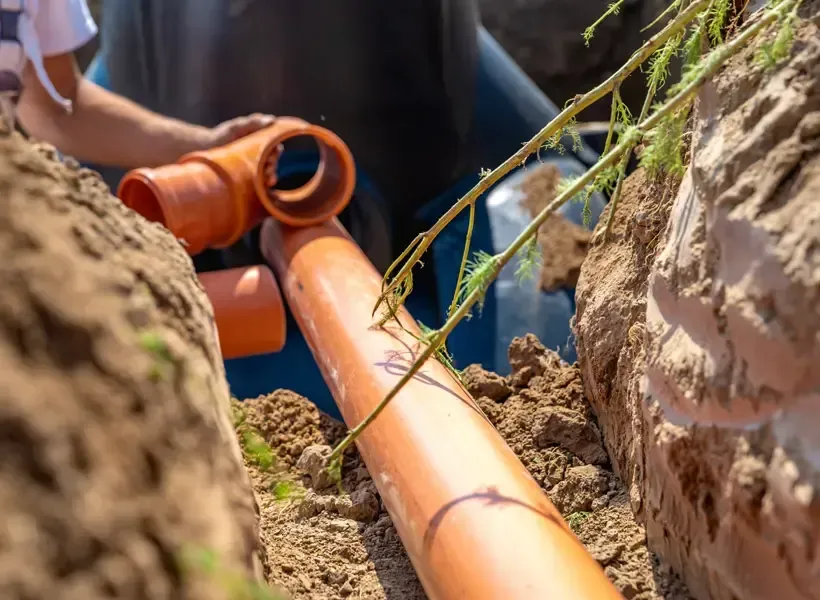
Sewer Repair Problems Nobody Talks About (And How to Avoid Them)
Sewer repair can be unpredictable. Here are some potential issues homeowners face, along with tips to avoid them: Hidden Costs: Some sewer problems aren’t visible until the repair begins. Get a detailed estimate from your contractor, but understand that some costs may only emerge once the work starts. Damage to Property: While contractors aim to minimize disruption, repairs can sometimes affect landscaping, driveways, and other property features. Discuss potential disruptions before work begins. Length of Time: Repairs don’t always go as planned. Unexpected issues, weather, and other factors can cause delays. Ask your contractor about the expected timeline and any potential hiccups. Navigating these potential hurdles is easier when you’re prepared. Choosing a contractor who communicates openly and transparently can make a significant difference.
Sewer Repair Problems Nobody Talks About (And How to Avoid Them) Read More »
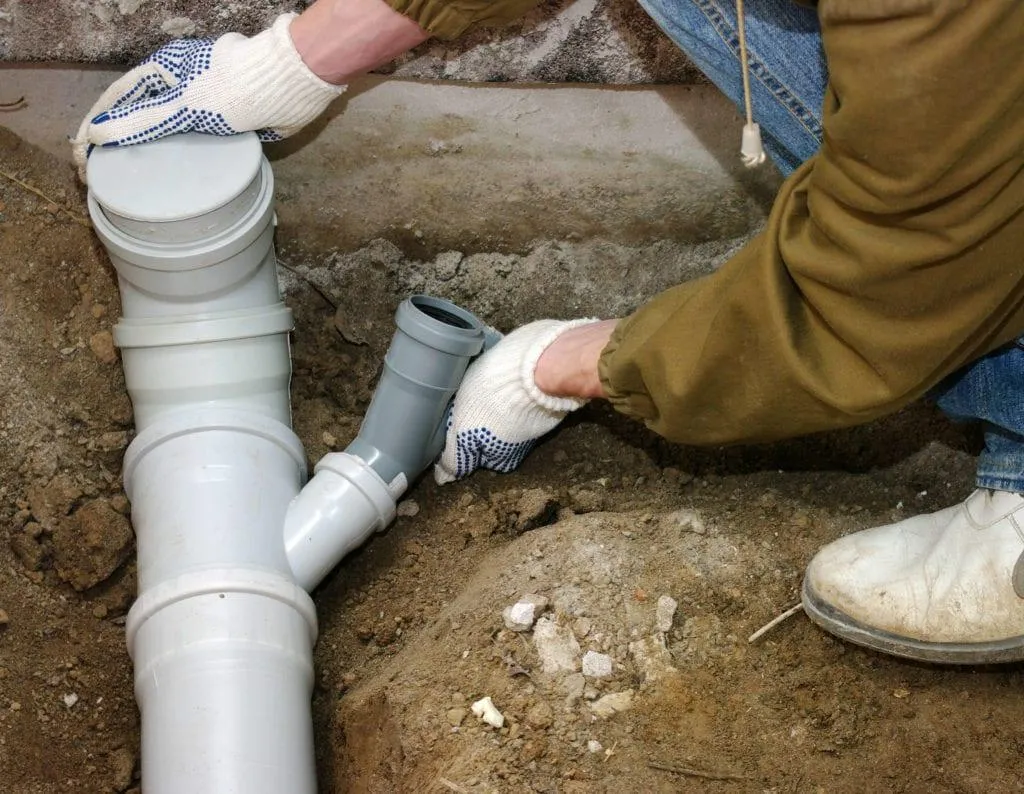
Costs to Repair Sewers
Let’s be honest—cost is likely a top concern for you. Sewer repairs can range widely, depending on factors like the severity of the problem, the repair method used, and local labor rates. Here’s a breakdown of the main cost drivers in sewer repair: Extent of Damage: The more extensive the damage, the more costly the repair. Type of Repair: Traditional digging (excavation) is often more labor-intensive and costly than trenchless methods, but it can be necessary if there’s extensive damage. Location of Pipes: Sewer lines that are harder to reach, such as those under concrete, driveways, or landscaping, may require more labor and equipment. Permits and Compliance: Many local regulations require permits for sewer repairs, adding to the cost. On average, sewer repair costs range from $1,000 to $4,000 for simpler repairs. Major replacements can easily hit $10,000 or more, especially if trenching is involved. Having a clear breakdown can help you budget, but remember that sometimes spending a bit more upfront can save you big in the long run.
Costs to Repair Sewers Read More »
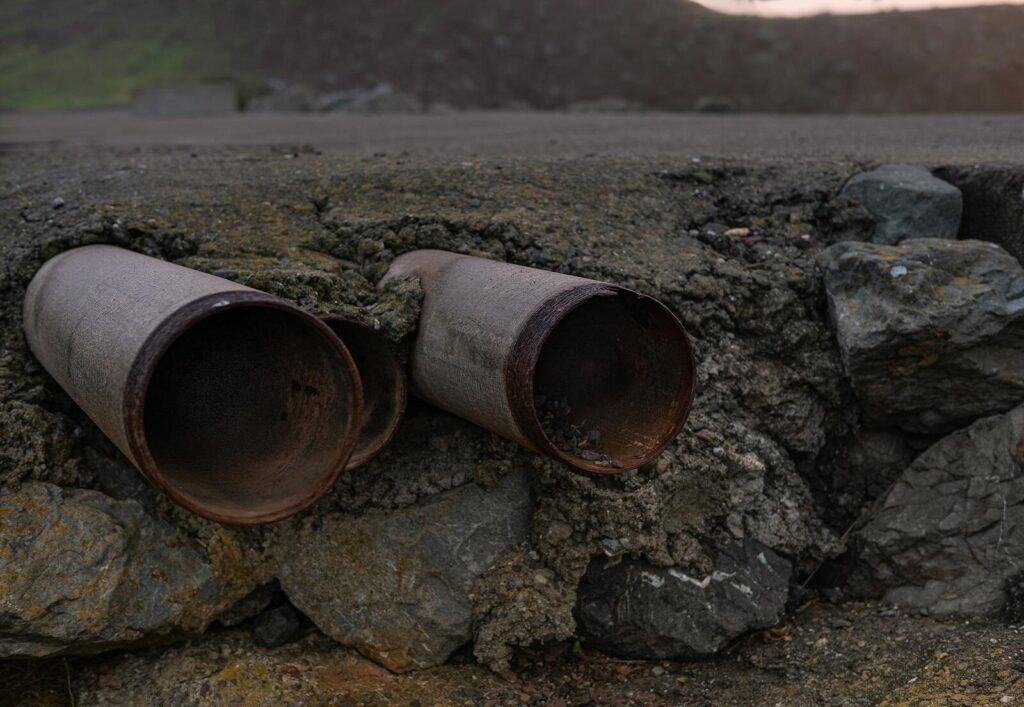
Why Do Sewer Lines Fail? The Common Culprits
If you’re dealing with sewer issues, you’re likely wondering, “Why is this happening?” Sewer lines can fail for various reasons, and knowing why is essential for homeowners. Here are the most common culprits: Aging Pipes: Over time, pipes naturally deteriorate, especially if they’re made from older materials like clay or cast iron. Tree Roots: Tree roots love sewer lines because they’re a source of water and nutrients. Unfortunately, roots can penetrate pipes, causing blockages and even ruptures. Soil Shifts: Soil around your pipes can shift due to weather changes, construction, or settling. When the ground moves, pipes can crack, break, or shift out of place. Improper Installation: Sometimes, sewer lines fail due to poor installation. If your home has older pipes, they may not have been installed to today’s standards. Knowing these causes can help you make an informed decision when it’s time to repair. If you’ve noticed any signs, don’t ignore them; small problems can quickly become big ones.
Why Do Sewer Lines Fail? The Common Culprits Read More »