
Commercial & Residential
Septic Systems
excavation + Installation + drain fields
Repairs + ReplacementsExcavating Septic Systems & Installation
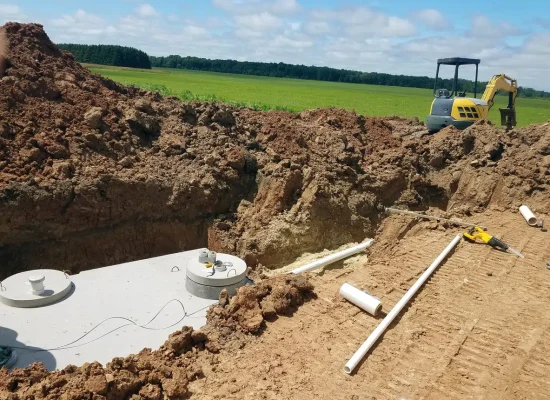
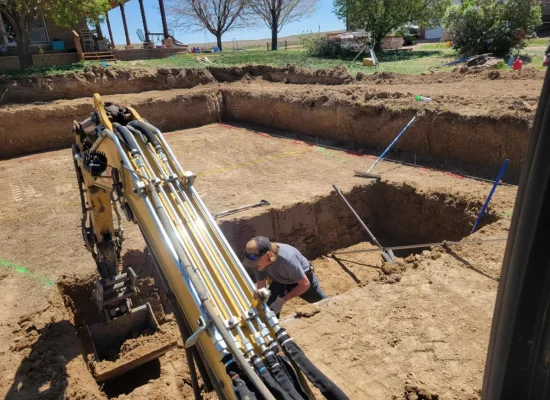
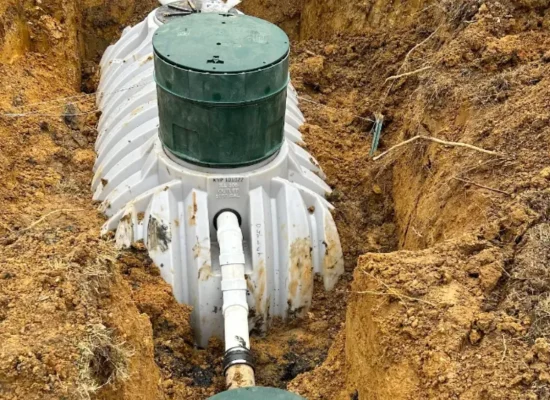
Septic system excavation and installation is a critical, multi-stage construction process designed to create an on-site wastewater treatment system, typically for properties without municipal sewer access. It begins with a site evaluation and soil test (percolation test) to determine the best location, ensuring proper distance from wells and water sources, followed by obtaining necessary permits. Using heavy equipment like backhoes and excavators, technicians dig a large, deep pit for the septic tank and trenches for the drainfield, carefully managing the slope to facilitate natural sewage flow. Install the tank, usually made of concrete or plastic, and the drainfield, which consists of perforated pipes placed on gravel or inside chambers, is laid out. Finally, the system is connected, tested, and backfilled with soil, with the entire process usually taking 3-5 days to ensure the system is properly buried, stable, and compliant with local regulations.
- Site Assessment & Planning: Soil evaluation, percolation (perc) tests, layout design, and permit coordination.
- Installation Prep: Proper bedding for the tank to ensure stability and proper drainage.
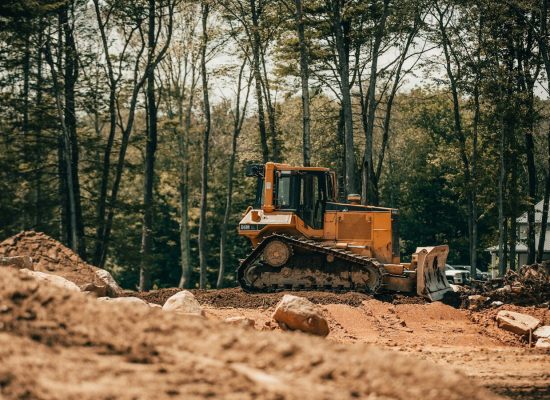
- Site Clearing: Removal of trees, brush, or rocks to prepare the area for excavation.
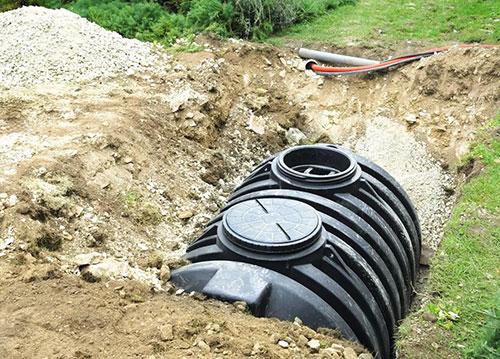
- Septic Tank Excavation: Digging, setting, and installing new concrete or plastic septic tanks.
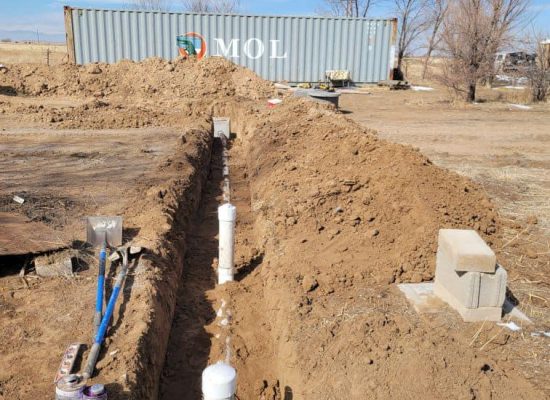
- Drainfield/Leach Field Installation: Trenching and installing pipe systems for wastewater disposal.
- System Replacement & Upgrades: Removing old tanks and installing updated, modern systems.
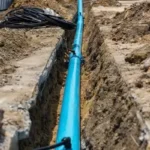
- Excavation & Trenching: Digging trenches for sewer lines connecting the home to the septic tank.
- Site Preparation & Grading: Leveling, clearing land, and preparing the ground to ensure proper drainage.
- Inspection & Certification Excavation: Exposing tanks and components for mandatory inspections.
- Backfilling & Grading: Covering the tank and trenches with soil, followed by grading to direct surface water away from the system.
- Repair Services: Excavating to repair broken, leaking, or crushed pipes and tanks.
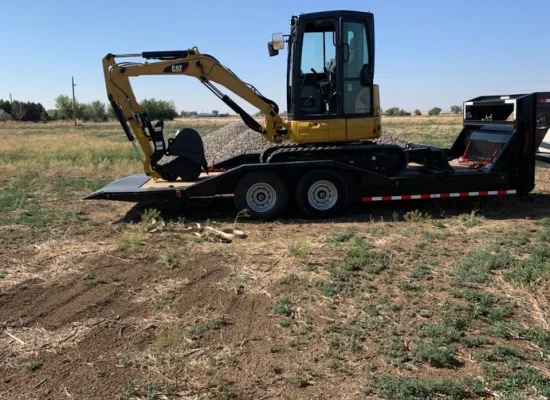
- Common Excavation Equipment Used:
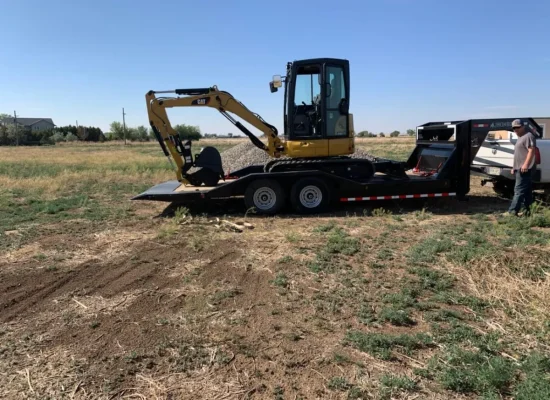
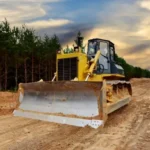
- Backhoes or excavators for digging pits and trenches.
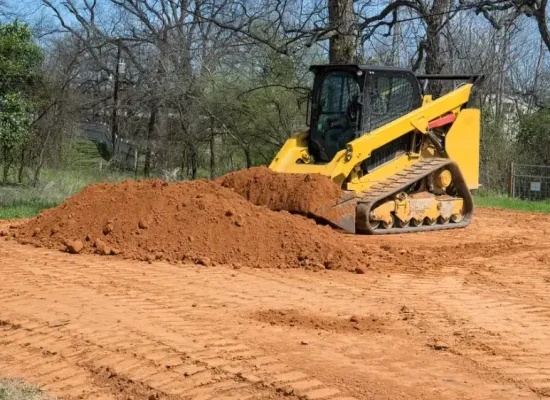
- Skid steers for grading and material transport.
- Dump trucks for hauling away dirt or bringing in gravel/fill sand.
- All Posts
- Septic System Excavation Services in Colorado

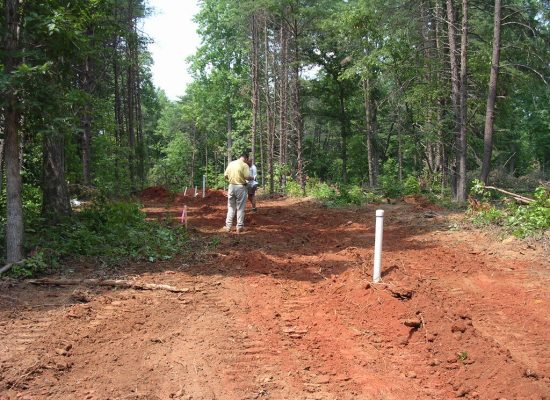
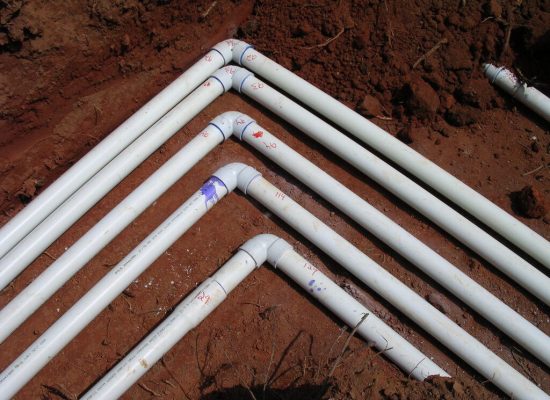
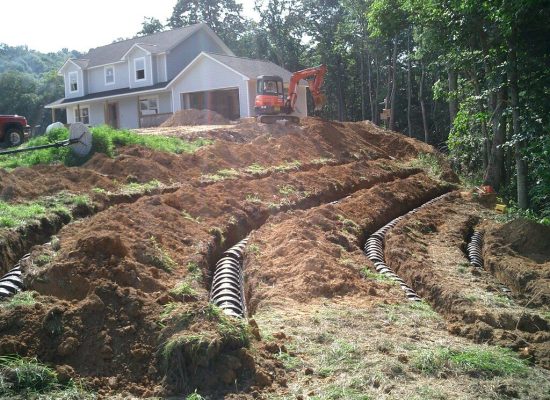
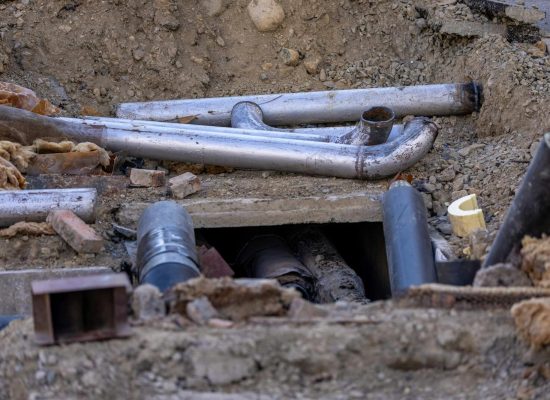
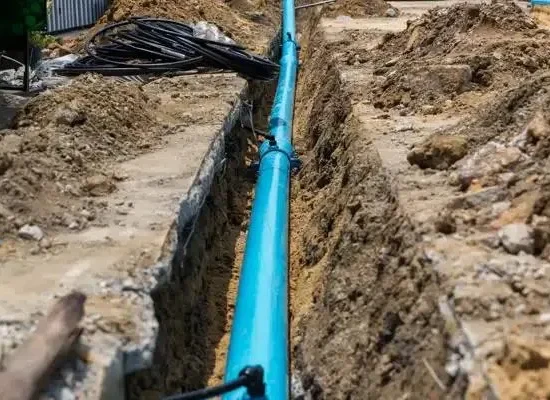
- Composition: Typically consists of perforated pipes, gravel or stone, and a soil treatment area.
- Function: Evenly distributes, filters, and disperses effluent, preventing saturated, untreated sewage from contaminating the environment.
- Maintenance: Requires regular septic tank pumping (every 3–5 years) to prevent sludge from clogging the soil.
- Protection: To avoid failure, the area should be kept free of heavy vehicles, structures, and deep-rooted trees.
Septic Drain Field Construction & Excavation
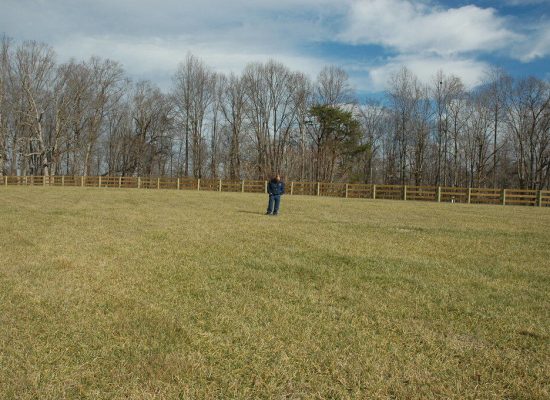
Also known as a leach field or soil absorption field, is a vital, eco-friendly component of a decentralized wastewater treatment system, acting as the final, critical step in processing household wastewater. After solid waste settles in the septic tank and forms sludge, the remaining liquid—called effluent—flows out of the tank into a network of perforated pipes or chambers buried shallowly underground, usually within gravel-filled trenches. As this liquid passes out of the pipes, it trickles through the gravel and into the surrounding soil, which acts as a natural, biological filter. Within the soil, microorganisms and bacteria break down remaining contaminants, nutrients, and pathogens, purifying the water before it percolates into the groundwater. A well-maintained, properly designed drain field is crucial to prevent system backups, protect nearby water sources from contamination, and can last for 20 to 30 years or more.
Site Preparation
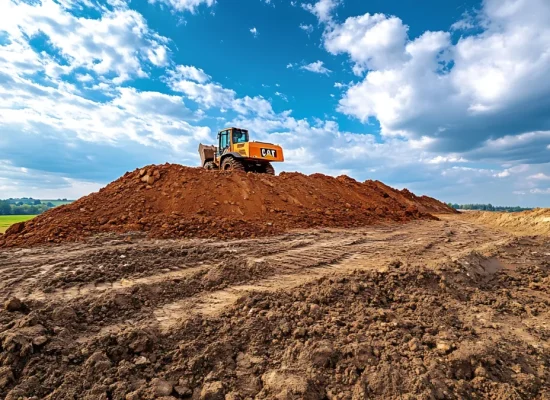
Excavating and site preparation form the crucial foundational phase of any construction project, designed to transform raw land into a stable, build-ready pad. The process begins with a site survey to define boundaries, identify underground utilities, and map topography. This is followed by site/soil testing to analyze soil composition, bearing capacity, and moisture content, which determines if the ground can support the structure. Land clearing then removes trees, brush, and debris, often utilizing forestry mulching to grind vegetation into nutrient-rich mulch, leaving the soil structure intact. To ensure long-term structural integrity, soil stabilization techniques—such as chemical treatments (lime/cement) or compaction—are applied to weak soils. The area is then shaped through grading and regrading to create level building pads and proper drainage, preventing water from pooling. Finally, once foundations or utilities are installed, backfilling is used to replace soil around new structures and compact it for stability.
- Site Survey: Maps boundaries, topography, and locates underground utilities for safe, accurate planning.
- Site/Soil Testing: Assesses soil stability and strength, guiding foundation design and preventing future settling.
- Land Clearing: Removes surface vegetation, rocks, and debris using heavy machinery to create a clean slate.
- Forestry Mulching: An environmentally friendly method that turns vegetation into mulch, aiding in erosion control.
- Soil Stabilization: Improves weak soil strength using lime, cement, or compaction to prevent sinking.
- Grading & Regrading: Shapes the land to ensure proper water drainage away from the structure.
- Backfilling: Refills holes around foundations or pipes, followed by compaction to restore solid ground.


- All Posts
- Excavation & Site Work Services in Colorado
Septic System Repair & Replacement
Septic system repairs and replacements are essential services required when on-site wastewater treatment systems malfunction, with the chosen solution depending on the severity of the issue, the age of the system, and local regulations. Septic repairs are typically aimed at resolving localized issues. However, when a system is damaged beyond repair, or failing to treat sewage properly, a full septic replacement—including a new tank and, or drain field—becomes necessary. Contact us for a FREE bid estimate of your unique septic needs.
Septic System Maintenance
Proper septic system management requires a proactive approach combining regular maintenance with timely, professional interventions to ensure longevity and prevent costly failures. Routine maintenance generally includes annual inspections to monitor sludge levels and check for component damage, such as cracked baffles, which prevents untreated solids from escaping into the drain field.
Leach field leveling or maintenance ensures that the soil absorption area is not compacted, that vegetation is appropriate, and that surface water is directed away to prevent saturation. In cases of emergency backups, immediate action is required—such as halting water usage and contacting a professional—to manage sewage overflow, which is usually caused by an overfilled tank, pipe blockage, or, in severe cases, a failed, compacted, or improperly leveled leach field.
Other services
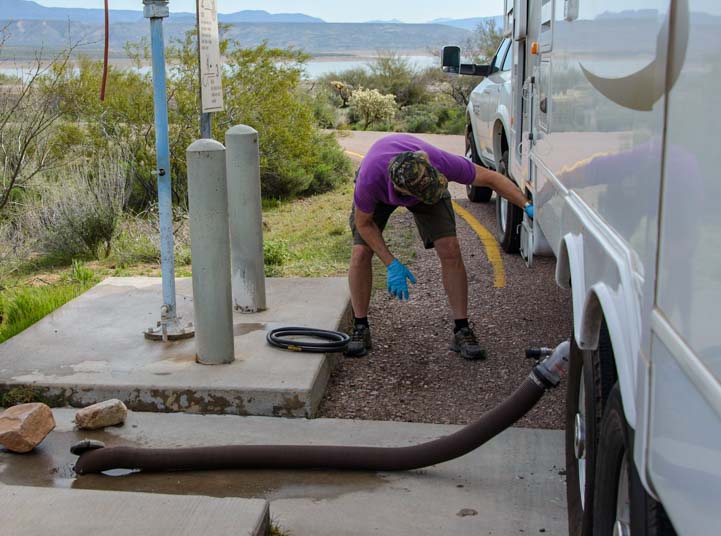
RV Dump Station Installation
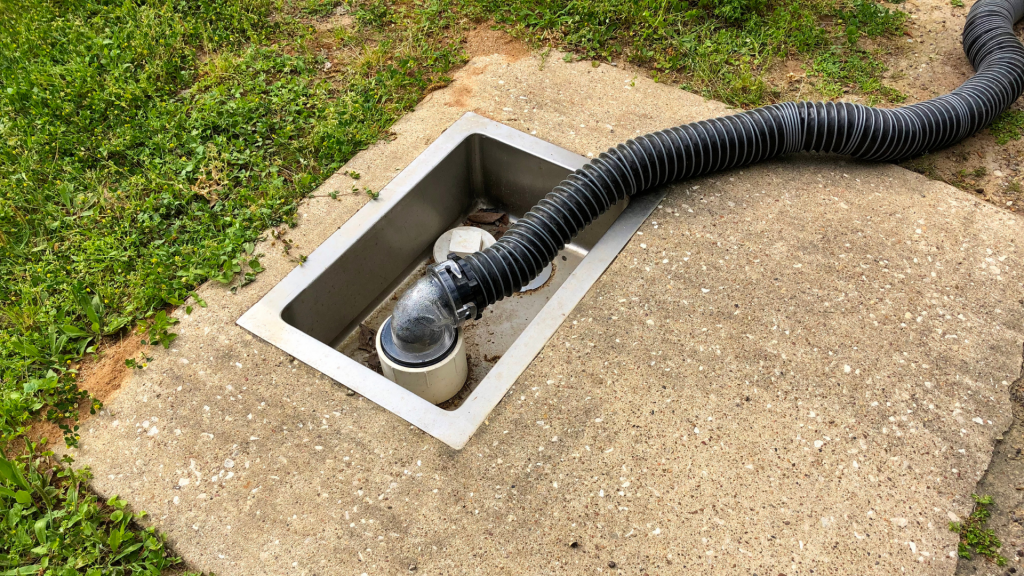
Contact us to find out if your property qualifies for an RV Dump Station installation! We can provide an assessment, check with your county, handle permitting process. If needed, we can provide inhouse design and engineering plans, and we work with electrician to provide start-to-finish installation.
Request A Bid

“Digging on Faith”