
Commercial & Residential
Excavating Services
Foundations + Retaining Walls In-Ground Swimming Pools
- All Posts
- Foundation & Excavating Services in Colorado

Excavating Foundations
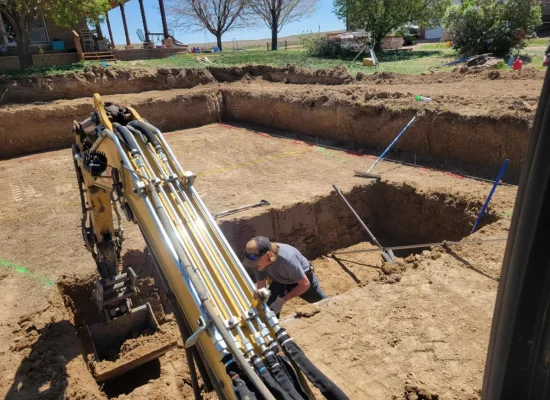
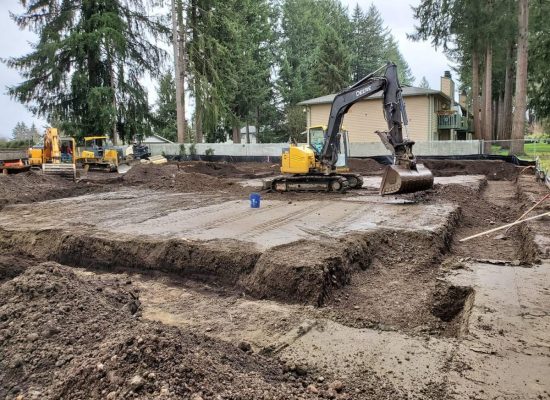
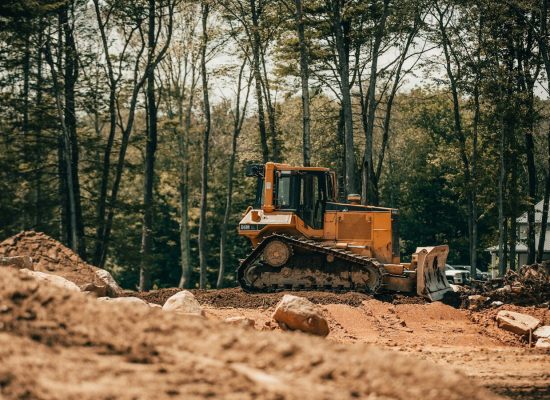
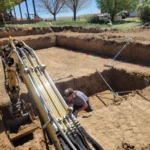
Excavating for foundations involves removing soil and rock to create a stable, engineered base for construction, crucial for preventing structural settlement. This process includes digging deep, vertical, or sloped holes for basements, preparing level, shallow areas for concrete slabs, and digging narrow trenches for footings that distribute structural loads. Accurate digging, soil compaction, and proper drainage are essential, often requiring heavy equipment and laser-guided, precise depth control.
- Foundation Excavation: Carefully digging to specific, engineer-designed depths and widths, often extending beyond the building footprint for workspace.
- Slabs: Removing topsoil to prepare a level, compacted base, frequently involving a gravel layer for stability and drainage.
- Basements: Deep excavation to create space for underground levels, requiring significant soil removal and, occasionally, site retention systems.
- Trenching for Footings: Digging narrow, deep trenches to support foundation walls, ensuring they are placed below the frost line and compacted properly.
- Process: The process generally starts with marking the site, followed by mechanical or manual earth removal, checking levels with lasers, and finishing with compaction and drainage installation to ensure long-term stability.
Excavating Retaining Walls
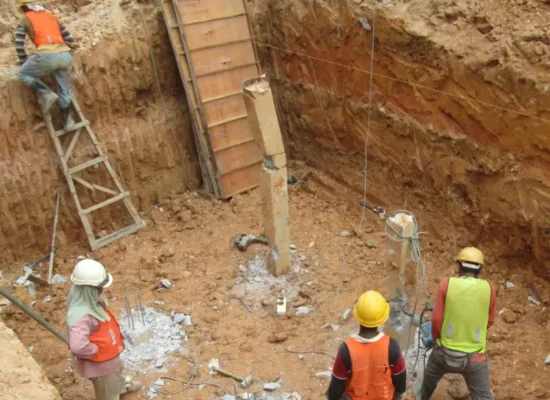
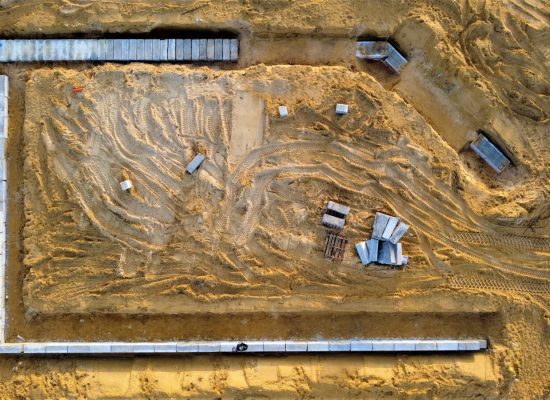
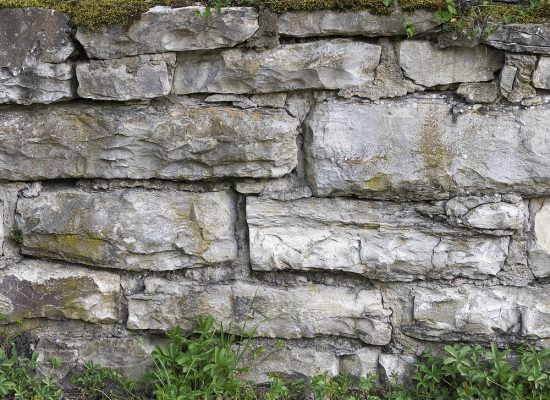
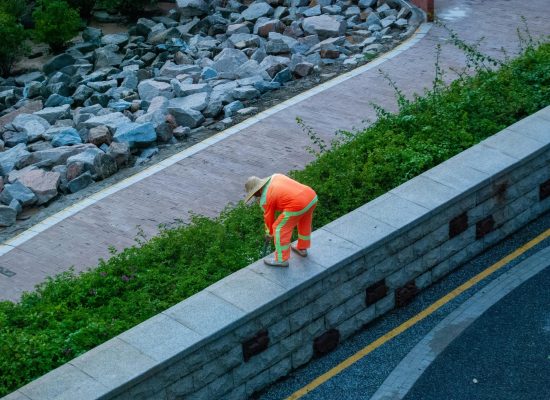
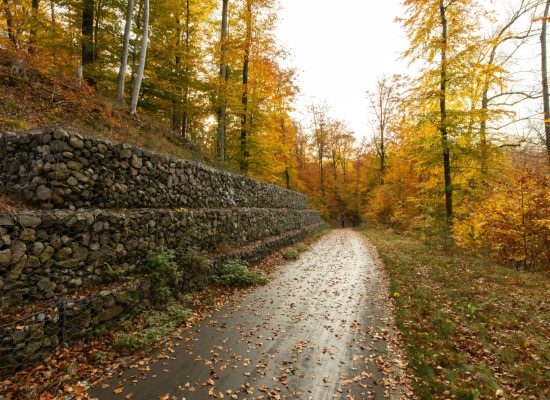
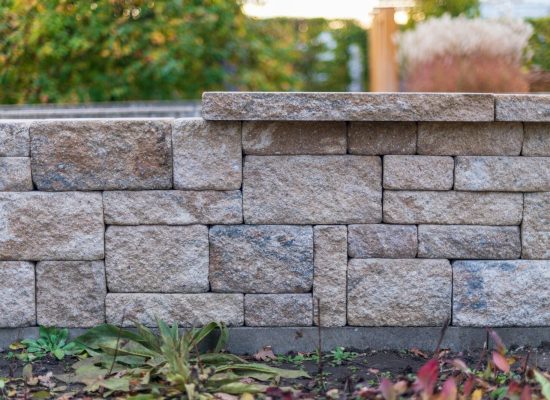
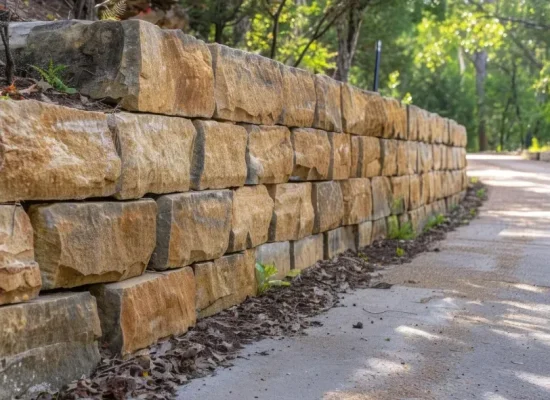
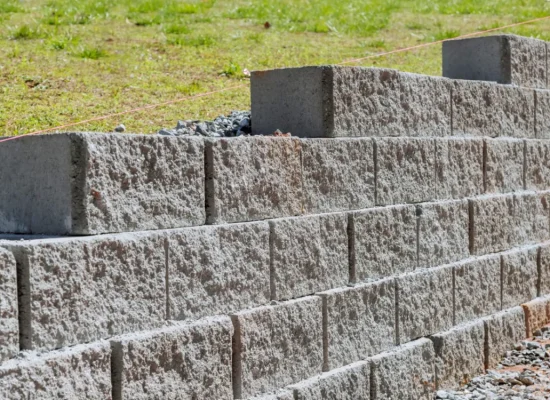
Excavation retaining walls are engineered vertical or near-vertical structures designed to hold back soil, rock, or other materials, preventing slope failure, erosion, and collapse during excavation projects. Commonly used in construction to stabilize uneven terrain, these walls provide structural support for deep cuts, enabling the creation of level, usable land for infrastructure, basements, and landscaping. They are essential for resisting the lateral pressure of soil, especially in sloped, hilly areas or during deep excavation projects where the soil might otherwise move.
Common types include cantilevered walls, soldier pile and lagging, sheet piles, and anchored walls, which are selected based on excavation depth and soil conditions. Proper construction requires a secure, buried base for stability, along with robust drainage systems—such as perforated pipes—to prevent the buildup of hydrostatic pressure, which is a primary cause of retaining wall failure.
- All Posts
- Retaining Walls & Excavating Services in Colorado


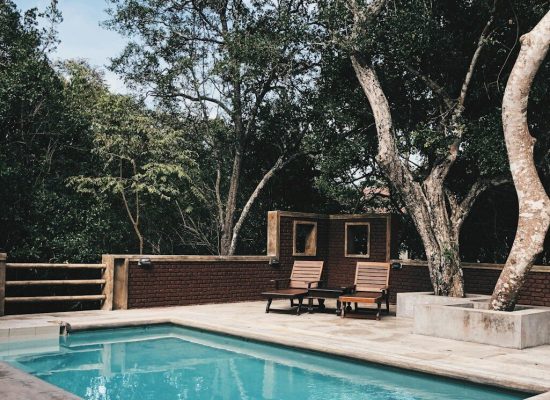
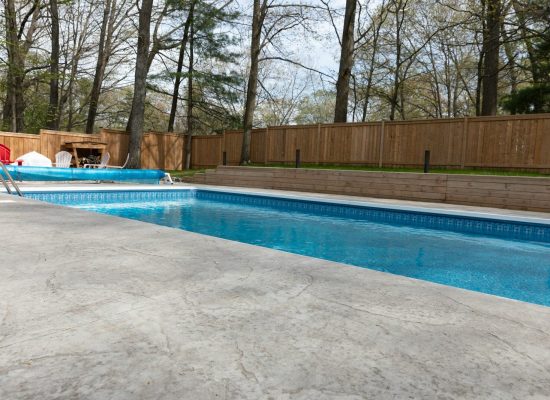
Excavating In-Gound Swimming Pools
Pool excavation is the critical first physical step in constructing an in-ground swimming pool, involving the precise digging and removal of soil to create the structural hole, or “cavity,” that matches the designed shape and depth. Using heavy machinery like excavators and backhoes, this process typically begins after the pool layout is marked with wood stakes or spray paint to define the perimeter. Beyond simply creating the hole, the excavation process involves meticulous attention to elevation, ensuring proper slopes, and managing soil removal, which often generates a massive volume of material (sometimes equivalent to 5–10 large garden sheds) that requires disposal.
Request A Bid

“Digging on Faith”