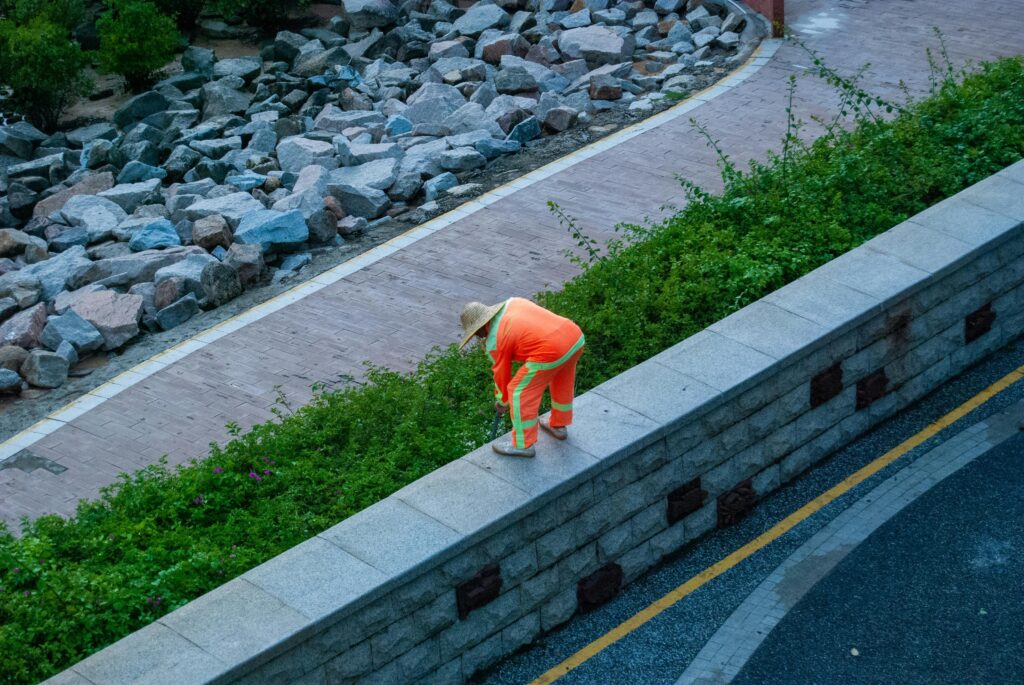
City gardener in orange uniform tending to plants on a stone wall in a park.

Choosing the Best Retaining Wall Solution for Your Property

Selecting the right retaining wall means choosing one that fits your landscape and meets your goals. We’re here to make that happen, using our expertise to build walls that stand up to the unique challenges of your property. Design Matters: We ensure that your wall not only looks great but is also designed for stability. Tailored Solutions: Each wall we build is customized to fit your budget and style. Whether you need a small garden wall or a large structural wall, we have you covered.

Choosing the Best Retaining Wall Solution for Your Property Read More »
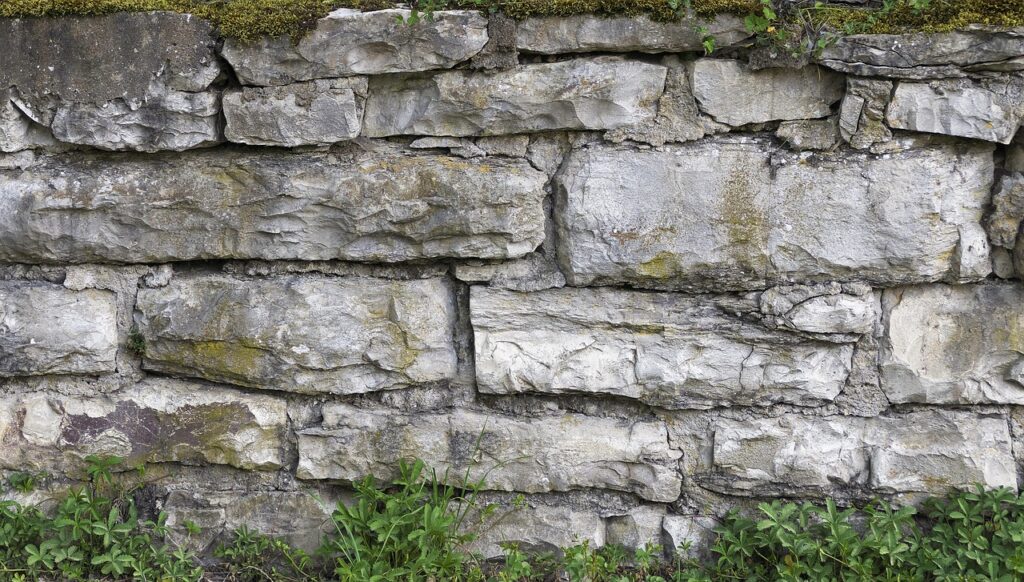
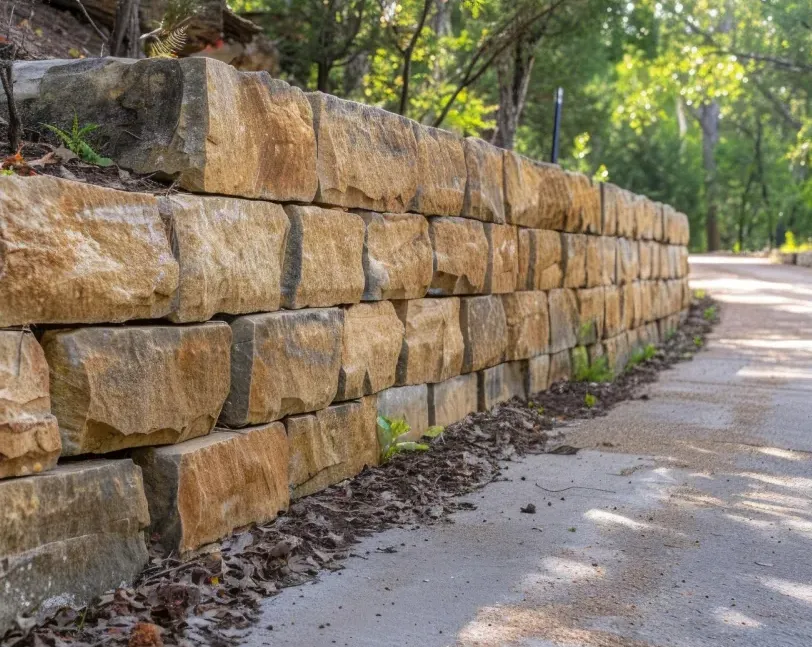
stone wall, quarry stone, natural stone, joints, columns, edging, wall, texture, background, masonry, structure, grain, abstract, order, surface, bricked up, natural stone wall, weathered, stones, reinforcement, retaining wall, retaining wall, retaining wall, retaining wall, retaining wall, retaining wall

Retaining Walls vs. Alternative Solutions: What’s Best?

Sometimes, retaining walls aren’t the only option. Here’s how they stack up against other methods: Plantings and Ground Cover: While grass and plants can slow erosion, they don’t offer the same structural support as a wall. Terracing: In some cases, terracing (a series of stepped slopes) can help with erosion but may not be practical on steep slopes. Erosion Mats or Fabrics: Effective in mild cases but lack the durability and permanence of a retaining wall. In short, retaining walls are usually the go-to solution when more substantial erosion control and stability are needed.

Retaining Walls vs. Alternative Solutions: What’s Best? Read More »

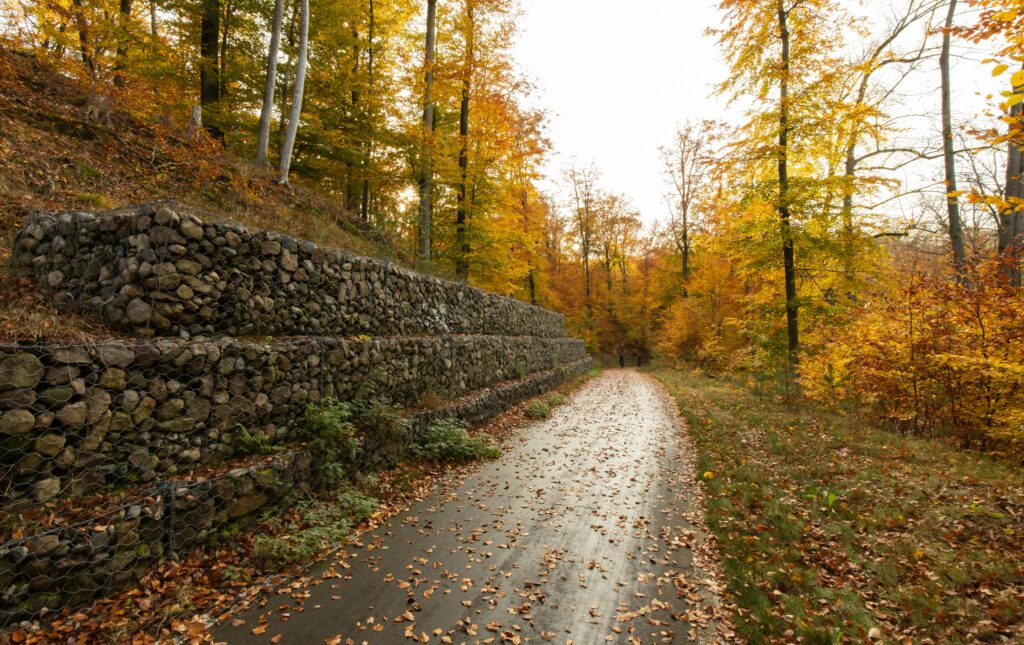
Tranquil autumn scene of a forest pathway lined with stone retaining walls and colorful foliage.

Common Retaining Wall Problems and How to Avoid Them

Even well-built retaining walls can experience issues over time. Here’s what to watch for and how to prevent it: Cracking: Often caused by poor construction or inadequate drainage. Quality materials and proper installation can help avoid this problem. Bulging or Leaning: This usually results from pressure buildup behind the wall. A well-designed wall includes drainage to reduce this risk. Poor Drainage: Retaining walls need proper drainage to handle water. Without it, the wall may weaken over time. By understanding these common problems, you’re already ahead. Proper planning, materials, and installation can prevent many of these issues, ensuring your wall remains strong for years.

Common Retaining Wall Problems and How to Avoid Them Read More »

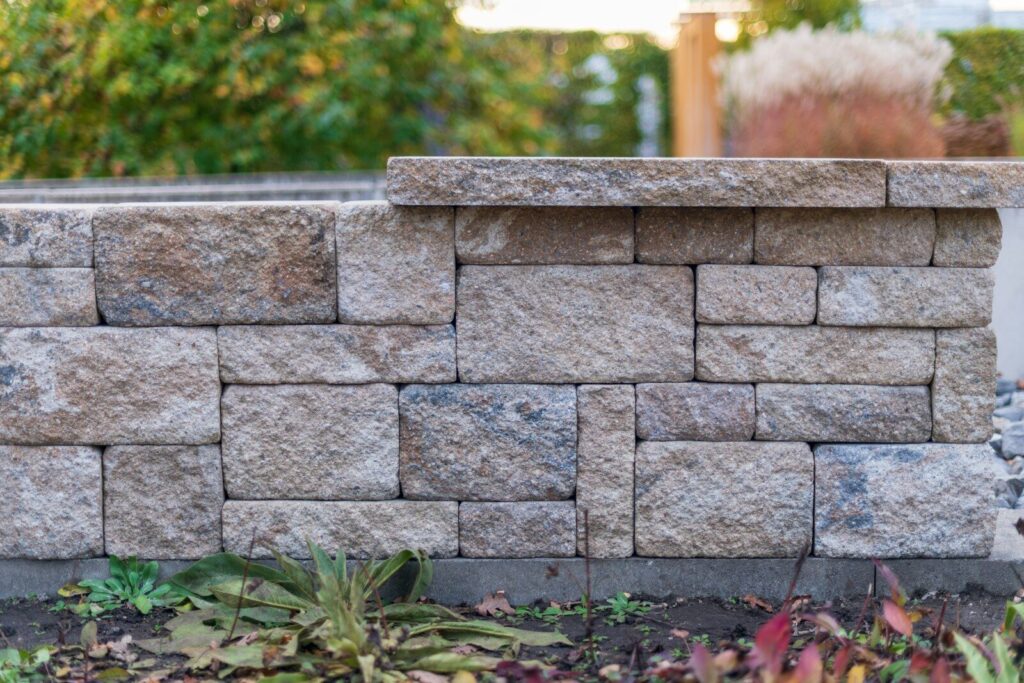
Stone wall with plants in the foreground

Cost of Building a Retaining Wall: What to Expect

The cost of a retaining wall varies significantly based on material, height, length, and labor. Here’s a quick breakdown of what impacts price: Materials: Concrete is durable and long-lasting, but it’s more expensive than timber or brick. Natural stone can be high-end but offers a timeless look. Labor: Building a retaining wall requires skilled labor. Hiring experienced contractors ensures that the wall will be strong and long-lasting. Design Complexity: A straightforward, small wall will cost less than a complex, multi-tiered design with drainage features. Budget Tip: Balancing cost and quality is key. Spending a little extra now can save you repair costs down the line, especially if your wall faces heavy water flow or erosion.

Cost of Building a Retaining Wall: What to Expect Read More »

Do You Need a Retaining Wall? Assessing Your Landscape

You may be wondering if a retaining wall is even necessary. Here are some signs that your property might benefit from one: Soil Erosion: If you see soil slipping away or notice bare patches where grass or plants struggle, it’s a sign erosion is at play. A retaining wall helps keep soil in place, even on steep slopes. Water Drainage Problems: Are puddles forming near your home’s foundation or in your yard? Poor drainage can lead to flooding, and retaining walls can be designed to redirect and control water flow. Limited Yard Usability: For sloped properties, retaining walls add level areas that can be used for gardening, seating, or even playing. It turns wasted space into something you can enjoy and use. A retaining wall could be the perfect fit if any of these scenarios sound familiar. And now that you know why they’re helpful, let’s explore the different types available.

Do You Need a Retaining Wall? Assessing Your Landscape Read More »

Why Retaining Walls Matter.

If you’re looking into building a retaining wall or a retaining wall builder near Pueblo County, there’s likely something about your property that doesn’t feel safe or functional. Maybe the slope in your backyard erodes each time it rains, making it hard to keep plants or grass healthy. Or perhaps you’ve noticed water pooling near your home, threatening the foundation and creating a potential mess every storm season. Either way, dealing with landscape issues can feel overwhelming. After all, you’re not just thinking about looks – you’re also worried about safety, costs, and the long-term durability of your outdoor space. That’s where retaining walls come in. These structures aren’t just walls; they’re problem-solvers. They can help reclaim your property from erosion, protect your home’s foundation, and even add usable space to slopes and hillsides. We get it – nobody wants to invest in a project that won’t last. That’s why we’re focused on building retaining walls tailored to fit your landscape and solve the unique problems you face. Let’s dive in to explore everything you need to know to make the best choice for your property. How Can We Help?

Why Retaining Walls Matter. Read More »

Essential Guide to Residential Excavation

Costs, Problems, and Choosing the Right Contractor When you’re planning a home project involving excavation, whether it’s for a new foundation, landscaping, or drainage, the process can feel a little overwhelming. Maybe you’ve heard stories about unexpected costs, delays, or property damage. Perhaps you’re wondering, “Is this really necessary?” or “Will the job be done right?” You’re not alone in these thoughts, and they’re valid concerns. Excavation isn’t something most homeowners are familiar with, yet it’s a crucial step in many home projects. Getting it right is essential to the long-term success and stability of your project, and we’re here to help make sense of the process, so you know exactly what to expect. How Can We Help?

Essential Guide to Residential Excavation Read More »

Scroll to Top